博客

  • 母乳妈妈可以染发和烫发吗?What are the effects of hair coloring and perms?

    母乳妈妈可以染发和烫发吗?What are the effects of hair coloring and perms?

    Personal grooming while breastfeeding: What are the effects of hair coloring and perms? 母乳妈妈可以染发和烫发吗?

    According to the BREASTFEEDING ANSWER BOOK, published by La Leche League International, no evidence exists that the nursing mother‘‘s use of hair-care products, such as hair dyes and permanents, has any effect on her breastfeeding baby. When a mother uses hair-care products, some of the chemicals will be absorbed through her skin. If her scalp is healthy and intact, less will be absorbed than if the skin on her scalp is scratched or abraded.

    根据国际母乳会出版的《母乳喂养问答全书》(此书目前没有中文版)一书中所指出的,没有证据表明,母乳妈妈使用护发产品,比如染发烫发产品,对其母乳喂养的婴儿有任何影响。当妈妈使用护发产品时,一些化学物质会通过皮肤吸收。在妈妈的头皮健康、无任何损伤的情况下,与头皮划伤或擦伤的情况相比,化学物质通过皮肤吸收得较少。

    (涵宝翻译,Daisy审稿)

  • 公共场所的母乳喂养Breastfeeding in Public

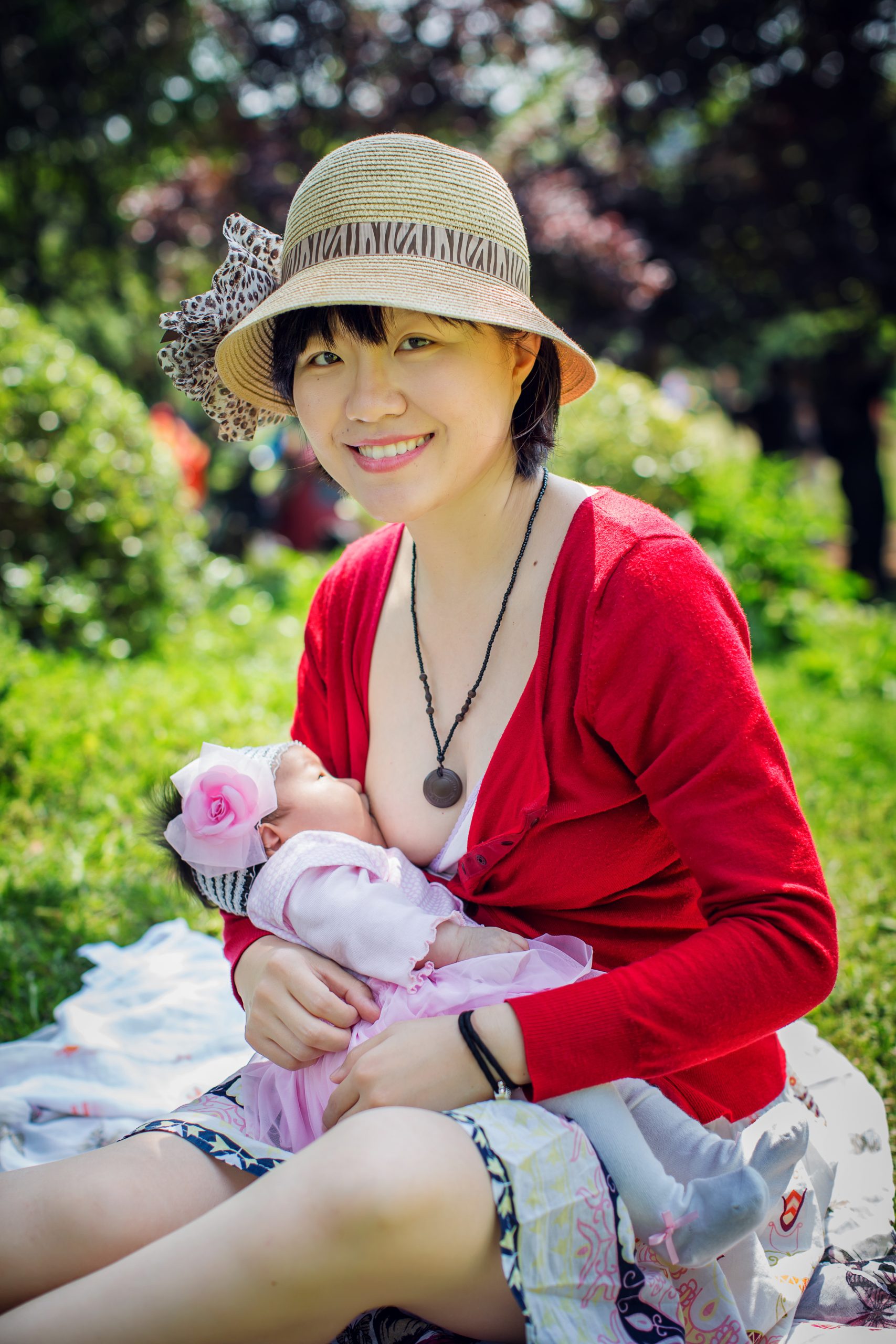
    公共场所的母乳喂养Breastfeeding in Public

    Michaelene Gerster Trocola

    Illinois USA

    From: NEW BEGINNINGS, Vol. 22 No. 6, November-December 2005, pp. 238-243

    The days after birth involve a dance of sorts. Mother and baby take turns leading and following while both adjust to the rhythm of new life. As one day slips into the next, a routine is established. The world doesn‘‘t slow down for the breastfeeding dyad, however. After the early weeks have passed and mother resumes normal activities, including social obligations, work, errands, and appointments, breastfeeding in public may or may not present itself as a challenge.

    宝宝出生后的日子演变成一种生活的舞步。妈妈和宝宝轮流引导和跟随对方以使双方都能适应新的生活节奏。随着日子一天天继续,生活的规律逐渐建立起来。但是时间是不会因为母乳的妈妈和宝宝而放慢脚步的。最初的几个星期过后,妈妈要恢复正常的活动,包括社会义务,工作,差旅和约会,对有些妈妈来说在公共场合的母乳喂养或许会成为一项挑战,而有些则不会。

    Author Katie Allison Granju writes, “Surveys have revealed that far too many women are uncomfortable at the thought of nursing their baby in public and that this discomfort is a common cause for disruption of the breastfeeding relationship” (Granju 1999). Mothers who are uncertain about breastfeeding in public can be reassured by the fact that it is not illegal in any state in the US (see “Breastfeeding and the Law” on page 240).

    作家Katie Allison Granju这样写到:“调查显示有太多的妇女在公共场合哺育她们的宝宝时会感觉到不舒服,而这种不舒服的感觉是影响母乳喂养的最常见的原因”(Granju1999). 不确定是否可以在公共场合哺乳的妈妈们可以放心,事实上,无论在美国的哪一个州,公共场合哺乳都是不违法的。(详见240页的“母乳喂养和相关法律”)

    In the presence of others, even if it isn‘‘t a public setting, some mothers may feel the need to explain their parenting choices or may wonder, “What do people think when I nurse in front of them?” Regardless of what people think or how they react, the benefits reaped from human milk remain the same. Breastfeeding boosts babies‘‘ immune systems, protects against common diseases (even some cancers), saves lives by preventing illness or decreasing symptoms, and may even have a protective effect against Sudden Infant Death Syndrome.

    在与他人一起的时候,哪怕不是在公共场合,一些妈妈们也觉得需要为她们选择的养育方法而作出解释,或者会疑虑“我在他人面前哺乳,他们会怎么想?”不管人们怎么想或者做出什么反应,母乳对宝宝的益处是毋庸质疑的。母乳可以强健宝宝的免疫系统,抵御一些常见疾病(甚至某些癌症),通过抵抗疾病或减轻症状来挽救生命,甚至对新生儿猝死综合症也有防护的效果。

    Cultural Attitudes

    文化倾向

    Many cultures don‘‘t think twice about seeing a mother breastfeed her baby. As cultural anthropologist Katherine Dettwyler states:

    很多文化都认为母亲哺育孩子是理所应当的。人类学家Katherine Dettwyler这样说道:

    [I]In most cultures around the world, breasts hold no sexual connotations for either men or women. Sexual behavior does not involve the breasts, which are perceived as existing for the sole purpose of feeding children (Dettwyler 1995).

    在全世界的大部分文化中,不论男女,乳房都没有任何性含义。性行为里不包括乳房,乳房只有一个作用,那就是哺育后代。(Dettwyler 1995)

    In the United States, however, baring a breast to nourish and comfort a child is sometimes viewed as taboo.

    可是在美国,有时候袒露胸怀为宝宝哺乳却被视为禁忌。

    When people see a woman using her breasts for their most basic function…they may consciously or unconsciously confuse it with something that‘‘s sexual and should be done in privacy (Pugliese 2000).

    当人们看到一个女人使用她的乳房运作最基本的功能时,他们会自觉或不自觉的将其认为是与性有关的行为,应该隐密的完成。(Pugliese 2000)

    In a society that‘‘s riddled with contradictions about what is appropriate, it‘‘s not surprising that some women are unsure of how to handle certain aspects of their social lives as breastfeeding mothers. What‘‘s all the fuss about? Some people are unsettled by the idea of a child being nourished by something that comes from his mother‘‘s body. “Bodily functions are often treated with distaste or disgust…[and] may be considered ‘dirty‘‘” (Schiedel and Chiono 2000). Regardless, all that matters is one fact: breasts are designed for breastfeeding.

    在一个对正常行为没有明确怎么做才合适的社会,我们一点也不奇怪作为哺乳妈妈的女性们,在社会生活的某些方面不知应该如何应对。这些想法上的混乱是什么?一些人对于孩子吃的东西是由妈妈身体的某个部位生产出来的观念感到不适,因为身体的某些部位总是被人厌恶或被认为是“脏的”(Schiedel and Chiono 2000)。不管怎么说,事实只有一个,乳房就是为哺乳而设计的。

    Interestingly, most women reveal less skin while breastfeeding than performers in the entertainment industry, and even some women at the local grocery store. Sociologist Barbara Behrmann notes:

    有趣的是,很多哺乳妈妈裸露的肌肤比娱乐场所的表演者裸露的肌肤要少的多,甚至不比一家当地杂货店里的女人裸露的肌肤多。社会学家Barbara Behrmann这样说道:

    Women in the United States nurse in a culture in which our breasts are used to sell everything from cars to beer; in which deep cleavage dominates the checkout aisle…and in which the number of women who artificially enhance their breasts has increased 593 percent from 1992 to 2002 (Behrmann 2005).

    美国的哺乳妇女面对的是一个靠乳房来销售从汽车到啤酒等所有东西的社会,在这样的社会,需要依靠深深的乳沟来占领结帐的通道…正因如此,从1992年至2002年,人工隆胸术增长了593%( Behrmann 2005).

    Negative attention in the US media hasn‘‘t helped to portray public settings as breastfeeding friendly. In the summer of 2005, high-profile journalist Barbara Walters sparked a heated debate on television, in newspapers, and on Web sites after commenting on her show, The View, that being near a breastfeeding mother during an airplane flight made her “uncomfortable.”

    美国媒体负面的注意力无法使公共设施在设计上更方便母乳喂养。2005年夏天,著名记者Barbara Walters在视点节目秀上评论在一次乘机旅行中,坐在一位哺乳妈妈旁边令她感到不舒服,评论一出,立即在电视,报纸和网络上引发了激烈的辩论。

    A month later, The Chicago Tribune reported that a mother, Rebecca Gray, was asked to leave the pool of an amusement park as she discreetly nursed her four-month-old and kept an eye on her splashing toddler. She was informed of more “private” locations for nursing mothers. She commented, “I got out of the pool and continued feeding my baby on a chair beside the pool, and then I left…but the whole experience made me feel bad.” A similar situation happened to author Hilary Flower as she nursed her baby at a local public pool. Luckily, she knew her rights and had supportive friends to back her up. As she wrote in The St. Petersburg Times, “Some moms carry a copy of the Florida law around with them in case they get hassled. Now I do, too.” (For details on breastfeeding legislation by US state, go to www.lalecheleague.org/ LawBills.html.)

    一个月之后,芝加哥论坛报道了一位母亲Rebecca Gray在一所娱乐公园的戏水池隐密地给她四个月的宝宝哺乳并看顾着正在泼水的学步儿时被要求离开。她被要求去一个更私密的专为哺乳妈妈准备的地方。她说:“我离开了戏水池,继续坐在池边的椅子上喂我的宝宝,喂完之后离开…但是整个的过程带给我的感觉很不好。”同样的情况也发生在作家Hilary Flower身上,当时她正在一个公共泳池边给她的宝宝哺乳。幸运的是,她知道自己的权利并且有朋友在一边支持她。她在圣彼德博格时代杂志里这样写道:“一些妈妈们会随身携带佛罗里达州律法以备不时之需,现在我也这样做了。”(关于美国各州与哺乳相关的法律条文,详情请访问www.lalecheleague.org/ LawBills.html.)

    More recently, popular talk show host and psychologist Dr. Phil McGraw was recruiting guests to appear on a show about breastfeeding in public. At one time, his Web site asked people with strong opinions on the subject to contact him. One section included the question, “Do you need Dr. Phil‘‘s help at confronting your friend or family member about their inappropriate habit to breastfeed in public?” These examples, just a few among many, illustrate and help perpetuate the attitude that breastfeeding shouldn‘‘t be done in public.

    不久之前,著名脱口秀栏目策划了一期关于在公共场合哺乳的节目,嘉宾里面包括心理学家Phil McGraw博士。他曾经在他的网站里要求一些在这方面有强烈看法的人联系他。其中有一个部分包含了问题:“你是否需要Phil博士的协助来面对您的那些在公共场合哺乳这一不适当的习惯的朋友或家庭成员?”这些例子,仅是众多案例中的一小部分,说明并协助延续了不应该在公共场合哺乳的态度。

    What‘‘s a breastfeeding mother to do? Stay at home until her child weans? Run for cover if her baby needs to nurse while others are around? Of course not; those aren‘‘t practical options. If nursing in public is a roadblock in your breastfeeding relationship, preparation, practice, and breastfeeding support can help boost your confidence. The information below will help you on your mothering journey — take what works and leave the rest. The most important thing is that you do what‘‘s best for you and your baby.

    哺乳妈妈们应该怎么做呢?一直呆在家里直到断奶吗?如果需要哺乳而又有旁人在场的情况下寻找遮掩吗?当然不用!这些都是不实际的办法。如果在公共场合哺乳是你母乳历程中的跘脚石的话,准备、练习和寻找哺乳支持会使你更有信心。以下的信息也许在你做母亲的历程中可以帮助到你,从里面找出对你有用的信息吧。重要的是你所做的对你自己和宝宝都有益处。

    Preparation Is Key

    准备工作是关键

    New mothers learn pretty quickly that preparation for an outing is key. As stated in THE WOMANLY ART OF BREASTFEEDING, “Don‘‘t let a concern about feeding your baby in public keep you from enjoying the advantages and convenience of breastfeeding.” For a baby who is exclusively breastfed, all he requires is his mother. All mother needs is a simple diaper bag and a moment of privacy to help baby latch on when he is ready to nurse.

    新手妈妈们很快认识到出行之前的准备是关键。《母乳喂养的女性艺术》这本书里写道:“不要让在公共场合哺乳的顾虑影响你享受母乳喂养带来的好处和便利。”对于一个全母乳宝宝,他所需要的一切就是他的妈妈。而妈妈需要的仅是一个简单可置放尿片的妈咪包和当需要哺乳时,片刻的隐蔽来帮助宝宝含乳。

    Some mothers avoid breastfeeding in public by expressing their milk to bottle-feed. Their babies still benefit from receiving human milk, but neither of them receive the calming effects that nursing at the breast provides. In addition, young babies may have more trouble learning to breastfeed effectively, since different techniques are required for removing milk from a bottle than from the breast. Mothers will have to clean bottles and pump parts, and carry extra items in their diaper bags. They also run a higher risk of developing a plugged duct or breast infection when feedings at the breast are delayed. The challenges associated with offering human milk in a bottle while in public can be overcome, but:

    一些妈妈为了避免在公共场合母乳喂养而将母乳挤出来放到奶瓶里。她们的宝宝同样可以享受到母乳里的营养,但是母子双方却都无法享受母乳喂养带给母亲和宝宝的镇定安抚的作用。除此之外,年幼的宝宝在学习有效率地哺乳上可能会面临较多的困难,因为用奶嘴吃奶和吸吮乳头的技术要求是不同的。妈妈们还需要清洗奶瓶和吸乳器配件,并且在妈咪包里携带更多的东西。而且妈妈们还会因为哺乳时间的延迟而增加了患乳腺堵塞和乳腺炎的风险。虽说在公共场所使用奶瓶喂母乳的挑战可以被克服,但是:

    Many women find it easier, healthier, more economical, more ecologically sound, and more relaxing to fit breastfeeding in with all their daily activities than it is to fit occasional bottle-feeding in with their breastfeeding (Pugliese 2000).

    很多女性发现将母乳喂养融入日常生活中与在母乳喂养的过程中时不时的使用奶瓶喂养相比较,前者更简单,更健康,更经济,更环保,更轻松(Pugliese 2000)。

    Another benefit of breastfeeding is that it helps hone parenting instincts.

    母乳喂养的另一个好处是协助锻炼母亲的本能直觉。

    The more you hold your child and nurse him on demand, the higher your levels of prolactin and oxytocin — the “mothering” hormones — will soar….Babies are biologically programmed to let us know what they need, if we just listen to them (O‘‘Mara 2000).

    在宝宝需要的时候抱着宝宝和哺乳宝宝的次数越多,你的泌乳素和催产素——“母爱”荷尔蒙──分泌的越多……宝宝天生就有能力表达他的需要,我们只要倾听就可以(O‘‘Mara 2000)。

    If you breastfeed according to your baby‘‘s needs, you‘‘ll become familiar with his early feeding cues (such as rooting for the breast or sucking on his hands) and it‘‘s likely that you‘‘ll be able to anticipate his needs, whether you‘‘re at home, enjoying the company of others at a social gathering, or running an errand. Timing is everything. To avoid tears and tantrums, nurse when you see the telltale signs that he is hungry, needs comforting, or just needs to be close to you. Breastfeeding may attract unwanted attention in public if you wait until your baby begins to fuss or cry frantically before you offer your breast.

    如果你是根据宝宝的需要来哺乳的,那你就会很熟悉宝宝想要吃奶的暗号(例如寻找乳房或者吸吮手指),看起来就像是你提前知道宝宝的需求似的,不论你是在家里,在聚会中或是在外出的时候。及时意味着一切。如果想要避免宝宝的哭闹和发脾气,就要在你看到宝宝发出饿了、需要安慰或仅仅想要靠近你的信号时及时地哺喂他。如果你在公共场合直到宝宝出现哭闹才开始哺乳,可能会招来很多不必要的目光。

    Out and About

    外出的时候

    An exclusively breastfed baby will need to nurse every couple of hours, especially in the early months. Some babies may nurse more often. If you feel confident and comfortable with your location and the surrounding people, don‘‘t hesitate to breastfeed your baby.

    纯母乳喂养的宝宝可能每隔几小时就要吃一次奶,特别是那些只有几个月大的宝宝。一些宝宝也许吃得次数更多。如果你对周围的环境和人感到信任和放心的时候,请大胆地为你的宝宝哺乳。

    Wherever the destination, it will prove helpful to evaluate your surroundings upon arrival. At a shopping center, for example, be on the lookout for accessible spots to nurse before your baby is hungry. Many stores designate rooms for breastfeeding mothers, but remember that a hungry baby will not be a patient baby! Having a few areas in mind instead of searching for that “perfect” spot with a cranky baby will be easier on you both. In restaurants, request a seat that is out of the way of high traffic areas — the less you have to move your chair to accommodate passersby, the better. Beware of the common suggestion to use a public toilet facility while breastfeeding. Adults and bottle-fed babies aren‘‘t expected to eat in a toilet facility; the same should hold true for breastfed babies.

    无论目的地在哪里,到达之后马上考察周围的环境是很有帮助的。例如在商场里,在宝宝饿了之前先选择好几个适合母乳喂养的地方。很多商店里面专门为哺乳妈妈设置有母婴室,但是请记住,一个饥饿的宝宝可不是一个很有耐心的宝宝!在脑海中记住几个地点比带着焦急不安的宝宝寻找最佳哺乳地点对你俩来说要简单的多。如果是在餐厅里,要求一个远离高人流量的座位──旁人通过时越少移动你的椅子越好。请当心那常见的要你利用公厕进行哺乳的建议,大人和奶粉喂养的宝宝不需要在厕所里吃东西,母乳喂养的宝宝也应该一样。

    Some women are more concerned about nursing in front of family members and friends than in front of strangers — that‘‘s because criticism and questions from people we don‘‘t know are usually easier to ignore. If you‘‘re criticized for breastfeeding during a family gathering, there are ways to diffuse the situation. Remember that some people may just not be aware of the exquisite benefits of human milk. It‘‘s also possible that your dedication to breastfeeding makes them defensive or feel criticized for their own parenting choices. As explained in a New Beginnings article by Marianne Vakiener, five tactful ways to respond to criticism involve:

    相比在陌生人面前哺乳,有些妈妈反而更介意在家人和朋友面前哺乳,因为陌生人的质疑和问题很容易被忽略。如果你在家庭聚会的时候因母乳喂养而遭到质疑,有一些方法可以缓和当时的气氛。请记住,有的人只是不知道母乳有这么多好处罢了。也有可能是你对母乳喂养的极力推崇使他们觉得需要为自己选择的喂养方式辩解或是感觉遭受到了批判。Marianne Vakiener在《新起点》的文章中提到,有以下五种方式来回应质疑:

    Ignore: walking away or changing the subject;

    忽视:走开或转移话题

    Inform: sharing books, articles, or a medical professional‘‘s thoughts on breastfeeding according to baby‘‘s needs;

    提供信息:分享书、文章或医学专家对于依宝宝需求喂奶的观点

    Humor: making a joke about the situation or yourself, not the other person;

    幽默:对自己目前的处境开一个玩笑,注意不要开他人的玩笑

    Acknowledge: recognizing the person‘‘s viewpoint and asking further questions without agreeing or responding to criticism;

    承认:承认他人的观点,在不表示同意或回应质疑的情况下继续询问其他的问题

    Empathize: being empathetic to demonstrate that you understand the other person‘‘s feeling and meaning.

    共情:表示出你非常理解他们的感觉和想表达的意思

    Employing one of these tactics may work for you in difficult situations when the value of breastfeeding is questioned.

    当你的母乳喂养的观点遭受质疑时,使用其中一种方法来应对或许可以度过困境。

    Clothing Makes a Difference

    The right clothing can make nursing simple and inconspicuous. Two piece outfits or tops that unbutton from the bottom are convenient because they can be pulled up or opened from the waist. If you‘‘re concerned about modesty, clothing can be arranged to cover the breast. Depending on the position used, your baby may also cover your torso. Many companies sell stylish nursing bras, shirts, tank tops, and dresses with concealed openings for breastfeeding. Become familiar with how they open so that you can quickly and easily latch your baby on to the breast. (A variety of clothing retailers advertise in NEW BEGINNINGS magazine. For more information, see the pages within or go to the “Valued Advertisers” section of the LLLI Web site at www.lalecheleague.org/valued.html.)

    哺乳装:让喂奶更轻松

    合适的哺乳装可以让喂奶更加简单和低调。两片式开口的套装或者上衣可以从腰间拉开或者打开,相当方便。如果你考虑到端庄,可调整衣服以遮挡住乳房。改变哺乳的姿势,宝宝也可以遮挡住你的胸部。不少公司都出售时尚哺乳文胸、T恤、无袖上衣和裙子,它们有隐蔽开口以方便哺乳。熟悉开口方式能让你快速轻易地喂奶。(《新起点》杂志登了很多哺乳装零售商的广告。如需了解更多,你可以登录LLLI网站参考“有用的广告信息”一节,网址:www.lalecheleague.org/valued.html

    Babywearing (carrying your baby in a sling or a pouch carrier) also lends itself to inconspicuous nursing. As your baby shows early signs of hunger or fussiness, adjust his position and your clothing for nursing. The extra fabric from some baby carriers can easily be pulled over your baby‘‘s head and you can continue with the task at hand. With the fabric of the carrier blocking out distractions, your baby can settle down to the business of eating and may nurse quietly off to sleep. This strategy is one that can become a familiar routine for you and your baby, making it more likely that he will be comfortable with it even in unfamiliar places.

    把宝宝背起来(用背巾或者育儿袋)也能让哺乳变得“低调一些”。宝宝有点饿或困时,调整他的姿势和你的衣服以方便喂奶。有些背巾的一端有多余的布料可以将之放在宝宝的头部,这样你就能方便操作。有了背巾布的遮挡,宝宝可以安心地吃奶然后舒舒服服地睡着。这个办法可以成为你和宝宝熟悉的常规,因此更有可能就算在陌生环境中,宝宝也可以感觉很舒服。

    Some sources suggest putting a baby blanket over your shoulder so that it drapes over your baby‘‘s head. Some babies don‘‘t like this strategy much, so it doesn‘‘t work for every mother and baby. Also, the blanket-over-the-shoulder approach creates a distinctive look that announces to everyone in sight that a breastfeeding baby is present. Many breastfeeding mothers prefer more inconspicuous strategies for breastfeeding in public places.

    还有人建议在肩上搭一块婴儿毯来遮住宝宝的头。不过有些宝宝不喜欢头被罩住,所以这个办法并非对所有母婴都适用。而且肩上披毯子的姿势看上去很怪,等于向每个人昭告你正在喂奶。大多数妈妈还是喜欢采用更低调的办法来解决公众场合喂奶的问题。

    If you‘‘re self-conscious about what you might be revealing while latching baby onto the breast or breastfeeding, practice at home. Your partner, a close friend, or even a mirror can give helpful feedback and put you at ease. And don‘‘t forget about attending La Leche League meetings! They provide the perfect setting to connect with other mothers, learn about breastfeeding, and, of course, see live demonstrations of how other mothers go about nursing their babies or toddlers in public. Family, friends, and LLL meetings are wonderful sources of information, support, and encouragement. (To find an LLL meeting near you, call 800-LALECHE or go to www.lalecheleague.org.)

    如果你对喂奶或宝宝含乳时袒露胸部或者乳房感到不自在,你可以在家多练习。你可以对着伴侣、好友甚至镜子喂奶,这样会得到很有用的反馈信息,让你放松。还有不要忘记参加国际母乳会聚会,它是你与其他妈妈交流以及学习母乳喂养的良好机会。你可以在聚会上看其他妈妈亲身示范如何在公众场合给婴儿或者学步儿喂奶。家人、朋友以及国际母乳会聚会都是获得信息、支持和鼓励的不错对象。(如果想参加身旁的国际母乳会聚会,你可以致电800-LALECHE或者访问www.lalecheleague.org

    Breastfeeding with Confidence

    Mothers are often surprised by how few people realize they‘‘re breastfeeding once they‘‘re comfortable and have mastered the art of nursing in public. The more you nurse in the presence of others, the less you may find yourself worrying about the thoughts of people around you. Go ahead: make eye contact with passersby or relax and enjoy the moment. Your positive attitude can even influence others and help create a society that is more breastfeeding friendly. As Behrmann notes:

    I‘‘ve long believed that to nurse in public does more than meet the needs of a child; it does a public service….For despite the ways in which the cultural milieu makes our nursing experiences more complicated, one feeding at a time, one woman at a time, we change the world. (Behrmann 2005)

    自信地哺乳

    妈妈们掌握公共场合哺乳技巧之后都很惊讶几乎没人注意到她们在喂奶。在人前喂得越多,就越不在意旁人。大胆地和路人眼神交流或者放松身心享受这一刻。积极的态度甚至会感染他人,有利于创造一个对“母乳喂养更友善”的社会。

    Behrman认为在公众场合哺乳不仅是给孩子喂奶,同时也是一种公共服务。尽管文化环境让喂奶变得复杂,但从每次喂奶每个妈妈做起,我们可以改变整个世界。(Behrmann 2005)

    At the moment, your main concern is probably making your baby‘‘s world the best it can be. As a breastfeeding mother, you‘‘re off to a great start. Listen to your baby, follow your mothering instincts, and decide what your level of comfort is for breastfeeding in public. Whether you choose to nurse in front of a few close family members and friends or in a crowded area of unknown faces, do so with confidence. No explanations are necessary.

    可能你目前最关心的是如何给宝宝最好的世界。作为母乳喂养妈妈,你已经给了宝宝一个好开始。听从宝宝的需求,跟着母性本能走,对于在公共场合哺乳,你自己来决定怎么做。不管是在亲朋好友面前还是尽是陌生面孔的拥挤人群中喂奶,自信地进行,无需解释。

    References

    Behrmann, B. The Breastfeeding Café. Ann Arbor, Michigan: University of Michigan Press, 2005.

    Dettwyler, K.A. “Beauty and the Breast: The Cultural Context of Breastfeeding in the United States,” in Breastfeeding: Biocultural Perspectives, (New York: Adline de Gruyter, 1995) 167-215.

    Flower, H. “Nursing Mothers Have Rights, Too.” St. Petersburg Times, 14 August 2005.

    Granju, K.A. Attachment Parenting. New York, New York: Pocket Books, 1999.

    Kuczka, S. “Mom Tells of Park Incident” Chicago Tribune, 15 June 2005.

    La Leche League International. THE WOMANLY ART OF BREASTFEEDING. Schaumburg, Illinois: La Leche League International, 2004.

    O‘‘Mara, P. Natural Family Living. New York, New York: Simon and Schuster, 2000.

    Pugliese, A.R. Breastfeeding in public. NEW BEGINNINGS 2000; 17(6):196-200.

    Schiedel, E. and Chiono, M. Breastfeeding and Sexuality. La Leche League International, 2000. Publication No. 926-17.

    Vakiener, M. Responding to criticism. NEW BEGINNINGS 1999; 16(4):116-19.

    Breastfeeding and the Law

    母乳喂养与相关法律法规


    Canada

    From INFACT Canada (www.infactcanada.ca/HumanRights.htm):

    The right to breastfeed anywhere, anytime is protected by the Canadian Charter of Rights and Freedoms (discrimination based on sex). In Canada each province has a Human Rights Code. These codes protect women from discrimination on the basis of sex. To date, only Ontario (www.ohrc.on.ca/english/guides/pregnancy-breastfeeding.shtml) and British Columbia (www.infactcanada.ca/B.C._HR_Policy_Procedure_Manual.htm) specifically detail the rights of breastfeeding mothers. These provisions include time, access and accommodation in the workplace and in public. Ontario has also has a policy on Discrimination Because of Pregnancy (www.ohrc.on.ca/english/publications/pregnancy-policy.shtml).


    加拿大

    出处:加拿大INFACT机构(www.infactcanada.ca/HumanRights.htm):

    《加拿大权利与自由宪章》(反性别歧视)规定在任何场所、任何时间进行母乳喂养的权利均受法律保护。加拿大各省均有自己的人权法案,保护妇女免受性别歧视。至今只有安大略省(www.ohrc.on.ca/english/guides/pregnancy-breastfeeding.shtml)和英属哥伦比亚www.infactcanada.ca/B.C._HR_Policy_Procedure_Manual.htm)对乳母权利进行了详细规定,包括工作以及公共场合母乳喂养的时间、途径以及母婴室的提供等。安大略省还出台了保护孕妇免受歧视的政策。


    In Canada, legal precedent has not been set to specifically include breastfeeding under human rights protection to date, however, the Supreme Court of Canada decision, Brooks v. Canadian Safeway Ltd. (1989), 59 D.L.R. (4th) 321 (S.C.C.), Dickson C.J.C. confirms that pregnancy discrimination is sexual discrimination since only women can become pregnant. If challenged about breastfeeding in public, find out more information at www.infactcanada.ca/BreastfeedinginPublic.htm.

    加拿大的判例法目前尚未特别将母乳喂养纳入人权保护范围,但是,加拿大最高法院决定(布鲁克斯诉加拿大西弗韦有限公司案,1989年,59 D.L.R. (4th) 321 (S.C.C.), Dickson C.J.C.)规定,鉴于只有妇女才能怀孕,因此孕妇歧视等同于性别歧视。如果在公共场合哺乳遭到拒绝或攻击,请登录www.infactcanada.ca/BreastfeedinginPublic.htm以了解相关信息。


    Scotland

    Under The Breastfeeding Etc. (Scotland) Bill, it is an offense to prevent or stop a person in charge of a child who is otherwise permitted in a public place or licensed premises from feeding milk to that child in that place or on that premises. Although the bill applies equally to bottle-feeding, it is the issue of breastfeeding in public that is likely to cause most debate and therefore much of this briefing is centered on this theme. For more information, go to www.scottish.parliament.uk/business/bills/index.htm.

    苏格兰

    根据苏格兰母乳喂养法案,阻止或制止照看婴幼儿的人在婴幼儿被允许进入食的场所给该婴幼儿喂奶将构成犯罪行为。尽管该法案对奶瓶喂养有同等效力,但在公共场合哺乳更容易引起争议,因此该简报主要倾向于母乳喂养方面。有关更多信息,请访问www.scottish.parliament.uk/business/bills/index.htm。


    USA

    Breastfeeding in public is not illegal in any state of the US; however, only certain states have laws addressing public breastfeeding. Some states exempt breastfeeding from public indecency laws; other states have statutes protecting a mother‘‘s right to breastfeed in public. If you reside in a state that does not have a law or only exempts breastfeeding from indecency laws, a private business owner may have the right to ask you not to engage in breastfeeding on the premises. This does not mean that breastfeeding in public is illegal in these states, just that a mother has no protection in a situation where she is asked to leave a private establishment. More information can be found at www.lalecheleague.org/LawMain.html.

    美国

    在美国任何州当众哺乳均不违法,但只有几个州通过立法来解决公共场合母乳喂养问题。某些州规定母乳喂养不构成公开猥亵罪;其他州则出台法规来保护妇女在公共场合哺乳的权利。如果你居住的州没有相关立法或仅认定母乳喂养不构成猥亵罪,私营公司或将有权要求你不要在办公场所喂奶。这并非意味着在这些州的公共场合哺乳是违法的,只是说如果某位母亲在私立机构哺乳时被劝阻是不受法律保护的。有关更多信息,请访问www.lalecheleague.org/LawMain.html。


    Is there legislation to protect breastfeeding in your country? We‘‘re interested in finding out more about breastfeeding and the law in countries outside the US. The information may be compiled and used in future LLLI publications. Send information to Publications at LLLI or to the LLLI Publications Department, 957 N. Plum Grove Road, Schaumburg IL 60173 USA.

    你的国家是否通过立法来保护母乳喂养权利?我们期待了解美国以外其他更多国家和地区的母乳喂养立法情况。你提供的信息可能会被采纳用于国际母乳会将来的出版物。请将信息发送至国际母乳会的出版物或邮寄至LLLI Publications Department, 957 N. Plum Grove Road, Schaumburg IL 60173 USA。


    Breastfeeding in public is an issue that many mothers struggle with. It‘‘s common to be nervous about nursing in the presence of others in the early days, only to lose those inhibitions with time and practice. Here‘‘s what mothers have shared in past issues of NEW BEGINNINGS.

    当众哺乳让很多妈妈都感到为难。以前在别人面前喂奶通常都会很紧张,但时间久了,练习多了,自然就没那么紧张了。过去几期《新起点》杂志刊载了一些妈妈的经验。


    It‘‘s tricky balancing discretion and the needs of children, and somewhere in there I take into account my own comfort and the needs of the moment. It‘‘s fun reflecting on the places I‘‘ve nursed, and it lets me realize how far I‘‘ve come in this area of my parenting. It helps me strengthen my resolve.

    Lora Reynolds

    Trafford PA USA

    要平衡自己的行为与孩子的需求,需要一点技巧,一方面既要照顾自己的感受,另一方面又要考虑到当时的需求。回想一下我曾当众哺乳过的地方还挺有意思的,这些经历让我意识到我对孩子的养育走到了哪一步。它们也更加坚定了我母乳喂养的决心。

    Lora Reynolds

    美国宾夕法尼亚州,特拉福德


    I was still rather conservative [about nursing in public] but much braver and open about my inhibitions than I thought I could be. Having a child changed the way I thought about my breasts….Maybe it was the realization that my breasts were not sex objects but rather a source of food and comfort for my baby. And certainly, it was becoming a mother and doing what I felt was best for my baby. I let go and let love happen and everything else fell into place.

    Shari Ann Wenzel

    Hometown IL USA

    我在当众哺乳这方面还是挺保守的,不过我现在比以前想象的勇敢多了,也更加放得开了。有孩子以后我对乳房的看法变了……可能是因为理解了我的乳房不再涉及性方面,而是孩子的粮仓和港湾。顺理成章的,它承担了母亲的义务并为我的孩子奉献了最好的一切。我跟着感觉和爱走,一切都很自然。

    Shari Ann Wenzel

    美国伊利诺斯州,Hometown

    My first foray into the world of breastfeeding in public in Jordan was not exactly “public”… I wasn‘‘t up to pushing the cultural envelope at a quaint little village restaurant, so I retreated to the toilet facility. I was amazed at the reception Nolan and I received. The universality of a breastfeeding mother far outweighed the difference in nationalities, and women came over to watch, converse, and tickle the baby. Emboldened, I began to nurse in more public places….I turned my back when possible and I always wore suitable clothing. I was never made to feel out of place. I was always treated with respect and given privacy.

    Joan Carlton Griswold

    Bellevue WA USA

    我第一次在约旦踏入当众哺乳世界的大门其实算不上“当众”。事情发生在一家古朴的乡村餐厅,当时我没打算掀开那层“文化的幕布”,所以我选择撤退到洗手间去喂奶。然而我很讶异自已和诺兰在招待处所受到的关注。母乳喂养妈妈的普遍性远比国籍差别重要得多,女人们走过来围观、交谈,逗小婴儿。受到鼓舞,我开始勇敢地在更开放的场所喂奶……如果有可能我会把背转过去,再加上我总是穿着方便喂奶的衣服,所以我从来没有感觉很突兀,别人也总是很尊重我的隐私。

    Joan Carlton Griswold

    美国华盛顿州,贝尔维尤

    A “nursing in public” event I never anticipated was a turning point for us. One morning when Samuel was 17 months old, I went on a guided nature tour….When Samuel was ready to nurse as we neared the end of our walk…I just knelt down and latched him on, then stood up and continued walking and talking with him in my arms. My sweatshirt kept us discreet. Just as we neared our destination, I looked ahead and saw a photojournalist snapping pictures of us as we approached him, and my first thought was, “What do you think you‘‘re doing! I‘‘m already nursing a toddler in public, I don‘‘t need to explain myself to a reporter, too!” Samuel was mostly asleep, but wouldn‘‘t let go, so I just resigned myself and walked on. Our picture made the front page of the paper the next day, and the only people who noticed that Samuel might be breastfeeding were friends who also nursed their babies….Somehow, since that point, I just haven‘‘t worried much about nursing in public!

    Kathy Rausch

    Greenland

    一个我始料未及的“当众哺乳”事件成了我哺乳路上的转折点。那是萨缪尔十七个月大时的一个早晨,我带他跟团去户外亲近大自然。快走完的时候萨缪尔想吃奶了。我蹲下站他含乳,然后抱起他来一边走一边和他讲话。我的运动衫为我们提供了隐私空间。快到目的地的时候我抬头一看,发现一位新闻摄影记者在抓拍我们。当然我脑子里闪过的第一个念头就是,“你以为自己在做什么!我正是在当众喂我的小孩,而我不需要向一名记者来做解释!”萨缪尔那时几乎快睡着了,但不肯松开乳头,所以我继续边走边喂。第二天我们的照片便登上了报纸的头版,不过只有那些喂过小孩的朋友注意到照片中的萨缪尔可能正在吃奶……某种程度上,从那时起我再也不担心当众哺乳这回事了。

    Kathy Rausch

    格陵兰岛

    Several years ago…my husband‘‘s younger sister joined us on vacation. While we were walking near the beach one afternoon, my son, David, asked to nurse. My sister-in-law asked with surprise, “He‘‘s still nursing?” Time almost stood still for me as possible responses ran through my head….I took a deep breath and said, as calmly as I could, “Yes, isn‘‘t that wonderful? I‘‘m really proud that we‘‘ve been able to keep it up so long especially because I went back to work part-time.” She seemed satisfied by my answer and the moment passed, leaving both of us with our dignities intact.

    Marianne Vakiener

    Fairfax VA USA

    几年前,我丈夫的妹妹和我们一家一起旅游。一天下午我们在海边散步,走着走着我儿子大卫说想吃奶。这时我那位小姑子吃惊地问,“他还在吃奶啊?”时间一下子停止了,我脑子里闪过好几种回答……我深吸一口气并尽量平静地说,“是啊?觉得很棒吧?特别是我自己在做兼职,还能喂这么久,我真的很自豪。”小姑子似乎很满意我的回答,时间又重新往前走,我们谁都没有伤到对方的自尊。

    Marianne Vakiener

    美国弗吉尼亚州,弗尔法克斯郡


    As I nursed my son at the local shopping mall, a family approached our bench and glanced at us. “Look, Mommy,” said the little girl. “See the baby? There‘‘s a baby.” The mother looked in the direction her little girl was pointing and smiled….After looking at us for a few seconds, she realized Morgan was breastfeeding. Her expression changed. She gasped and grabbed her daughter‘‘s hand, pushed her husband and son ahead of her, and whispered loudly and furiously, “Don‘‘t look at her. She‘‘s breastfeeding.”

    I felt humiliated, embarrassed, sad, angry, and misunderstood. I wanted to disappear. I wanted to cry out, “I am just feeding my baby. I am doing what I believe to be best for him. It is not a disgusting or perverted thing — he is getting the best possible food for him right now, and we are forming a close bond in the process.”

    I longed to educate all those people who were so set against nursing a baby in public….I wanted to tell them…that we need to be out there discreetly breastfeeding in public, not only for our own comfort and sanity, but to educate.

    Alicia Clemens Booksh

    Kenner LA USA

    我在当地一家购物中心给儿子喂奶的时候,一家人走近我们的长椅看着我们,小女孩说,“妈妈,快看快看,看到没,有个小宝宝。”那位母亲看着女儿指的方向,微微一笑。看了几秒钟之后,她才意识到摩根正在吃奶。她的表情立刻变了,抓起她女儿的手,推着她丈夫和儿子往前走,又大声又愤怒地嘀咕说,“别看了!她在喂奶。”

    那一刻我既感到羞愧和尴尬,又感到难过和愤怒,我觉得得不到别人理解。我真想立马消失,我也想大声发泄,“我不过是在喂我的宝宝,做着我认为对他是最好的事。喂奶又不是什么肮脏、不正当的事情——他现在吃的对他而言可能是最好的食物,通过喂奶,我们之间有了亲密无间的纽带。”

    我很想教育那些反对当众哺乳的人,我很想告诉他们,我们需要在公共场合低调地喂奶,不仅是为了我们自己的自在与舒适,更是为了教育大众。

    Alicia Clemens Booksh

    美国洛杉矶,肯纳

    (小晓妈妈、白山 译 Shiuh-jane、Daisy审稿)
  • 吸烟和母乳喂养Smoking and Breastfeeding

    吸烟和母乳喂养Smoking and Breastfeeding

    国际母乳会 N0-1487-27, 2004.4

    There are plenty of reasons to quit smoking, both for you and your baby. You’ve probably heard about lots of them from health care providers, friends, family members, or other sources. But even if you can’t quit smoking breastfeeding your baby is still the best choice you can make.

    为了妈妈和宝宝的健康,有很多戒烟的理由。你也许已经听到了很多这方面的原因,从医生,朋友,家人及其他信息来源等。但是,即便妈妈无法戒烟,母乳喂养依然可以作为最好的喂养选择。

    Infants of smokers are at increased risk of colic, respiratory infections, and SIDS(Sudden Infant Death syndrome). But breastfed infants are at lower risk for these diseases compared to artificially fed infants, even when their mothers continue to smoke. And breastfeeding helps to protect babies from the potential risks of environmental smoke.

    吸烟妈妈的宝宝罹患喊百日﹙肠绞痛﹚,呼吸道感染及SIDS(婴儿猝死综合症)的风险会增加。但母乳喂养的宝宝,即便他们的妈妈持续吸烟,他们罹患上述疾病的几率也比人工喂养的宝宝低。同时,母乳喂养也能为宝宝抵御二手烟的潜在威胁提供保护。

    The American Academy of Pediatrics(AAP) recently made a change in its recommendations about smoking and breastfeeding. Nicotine was removed from its list of substances considered to be “contraindicated” during breastfeeding. An AAP statement issued in 2001 says, in part:

    美国儿科学会(简称AAP)最近改变了他们对吸烟及母乳喂养的建议。将尼古丁从AAP的哺乳期禁用清单上去掉了。一份AAP2001年发布的声明中提到:(节选)

    “One study reported that, among women who continue to smoke throughout breastfeeding, the incidence of acute respiratory illness is decreased among their infants, compared with infants of mothers who bottle fed. It may be that breastfeeding and smoking is less detrimental to the child than bottle feeding and smoking.”

    “一项研究指出,相比起瓶喂的婴儿来说,在母乳喂养期间继续吸烟的母亲的婴儿罹患呼吸道疾病的几率是较少的。有可能吸烟妈妈母乳喂养较吸烟妈妈瓶喂对孩子的伤害更小。”

    Breastfeeding provides significant health differences for mother and babies. For babies, it provides protection against diarrhea, certain kind of cancers, diabetes, and many other health challenges. For mothers, it protects against breast cancer, helps with postpartum weight loss, and encourages a unique mother-child bond that can’t be duplicated. Breastfeeding is just as beneficial for the smoking mother and her baby as it is for the nonsmoking mother and her baby. Here are some recommendations that can help minimize the potential effects of smoking on your baby.

    母乳喂养能为妈妈和宝宝提供不同却显著的健康益处。对于宝宝来说,母乳可以使他们免受腹泻、某些癌症、糖尿病以及很多其它疾病的侵扰。母乳喂养也使妈妈们免于罹患乳腺癌,帮助妈妈在产后减重,并且鼓励妈妈与孩子建立一种无法复制的母婴纽带。母乳喂养对于吸烟的妈妈和不吸烟的妈妈及她们各自的宝宝都有同等的益处。以下是一些建议,可以帮助妈妈们最大限度的降低吸烟对宝宝的影响。

    SMOKE AS FAF AWAY FROM YOUR BABY AS POSSIBLE

    吸烟时尽量远离宝宝

    To prevent exposing your baby to environmental tobacco smoke and particulates small enough to inhale, any smoker in your household should smoke outside or at least in a room away from the baby.

    为了避免宝宝吸环境中的二手烟以及吸入微小的颗粒物,建议家庭里所有的吸烟者都最好在室外吸烟,至少在一个远离宝宝的房间里吸烟。

    Some health care providers suggest that family members who smoke should always wash their hands after smoking and before touching the baby. A smoker can also wear a jacket or other outer garment while smoking to protect clothing from smoke particles. This garment may be removed before reentering the home or having any contact with the baby so the baby will be exposed to fewer smoke particles.

    也有一些医生会建议吸烟的家人在吸烟后及与宝宝接触前要洗手。也可以在吸烟时穿件外套或者一件专门的外衣作为吸烟服,这样可以保护衣物不沾染上烟的微粒。在回到家中或与宝宝接触前脱掉这件外衣,这样宝宝就能更少的暴露在烟的微粒中。

    CUT DOWN ON SMOKING

    减少吸烟量

    Fewer cigarette smoked means less environmental smoke in the air, lower levels of nicotine in your milk, better health for everyone, and more time with your baby.

    少吸一根烟就意味着空气中二手烟更少,乳汁中的尼古丁更少,对大家的健康都有益,妈妈还有更多的时间陪伴宝宝。

    MONITOR YOUR BABY’S WEIGHT GAIN

    监控宝宝的体重增长

    Some research suggests that smoking affects a baby’s weight gain, while other research shows no difference between babies of smoking and nonsmoking mothers. In light of these conflicting findings, it makes sense to monitor your baby’s weight gain at regular well-baby checkups. If you are worried about your baby’s growth, talk to a La Leche League Leader or knowledgeable health care providers. There are many techniques you can use to increase your milk supply.

    一些研究认为妈妈吸烟会影响宝宝的体重增长,而另一些研究又认为无论是吸烟还是不吸烟的妈妈,她们宝宝的体重增长没有差异。鉴于这些结论不一的研究发现,吸烟妈妈最好带宝宝做定期的健康检查,如果担心宝宝的体重,和母乳会的哺乳辅导或专业医疗保健人员谈一谈,有许多方法可以增加母乳量。

    SMOKE RIGHT AFTER BREASTFEEDING INSTEAD OF JUST BEFORE

    吸烟最好选择在哺乳之后,避免在喂奶之前

    When a breastfeeding mother smokes a cigarette, the nicotine levels in her blood and milk first increase and then decrease over time. Therefore, smoking right after feeding minimize the amount of nicotine in the milk. About 90 minutes after smoking, the level of nicotine in the mother’s blood and milk decreases by about half. Your baby will probably want to nurse frequently in the early weeks, so you may not always be able to wait that long between smoking and the next feeding. Frequently nursing is good for your milk supply and assures that your baby gets enough to eat.

    母乳妈妈吸烟时,血液及乳汁中的尼古丁含量是先升高,经过一段时间后才降低的。因此,在哺乳后再吸烟可以将乳汁中的尼古丁含量控制到最低。90分钟后,血液及乳汁中的尼古丁下降将近一半。在最开始的几周,宝宝需要频繁哺乳,所以妈妈不一定每次都能在吸烟和哺乳间间隔那么长的时间。频繁的哺乳有益于增加乳汁分泌,以便宝宝能够摄入足够的乳汁。


    SMOKING CESSATION AIDS

    戒烟帮助

    Commercial products may help you quit smoking and their use protects your whole family from carbon monoxide and respiratory irritants in the air. If you use nicotine gum or lozenges, treat them as you would a cigarette- use them right after a nursing so that blood levels of nicotine have time to fall before the next nursing. Transdermal nicotine patches provide a steady level of nicotine in your blood and milk. That level will be lower than the level of nicotine when smoking. Consider removing the patch at night to reduce levels of nicotine during nighttime nursing.

    一些市售的尼古丁替代产品可以帮助戒烟,也能够保护全家免受一氧化碳及空气中的呼吸道刺激物的侵害。如果妈妈使用尼古丁香口香糖或喉糖,和吸烟的处理方式一致:需在哺乳后使用,这样血液中的尼古丁可以有足够的时间在下次哺乳前代谢掉。通过皮肤接触的尼古丁贴片在血液及乳汁中维持稳定的尼古丁浓度。这种含量要比直接吸烟的量低。为了晚间的哺乳,最好在睡前将贴片揭掉以降低尼古丁的含量。

    Breastfeeding mothers should be especially careful not to smoke cigarette while using such products. Smoking relapses while using replacement products may produce very high levels of nicotine in your blood and milk that could be dangerous.

    母乳妈妈需特别注意在使用以上产品时不要吸烟,在使用替代产品时吸烟会使血液及乳汁中的尼古丁浓度太高,这样危害更大。

    EARLY WEANING?

    会提前断奶么?

    Some research seemed to indicate that mothers who smoke wean earlier than mother who don’t. However, recent review of such studies suggests that there may not be a physical reason for early weaning. Some experts believe that mothers who continue to smoke may quit breastfeeding because of concerns about whether it’s safe for their babies. More research is needed to determine whether earlier weaning is caused by some physical effect of smoking or some other factor. Mothers need to remember that breastfeeding protects their babies from the very respiratory diseases they may be worried about.

    一些研究指出吸烟的妈妈会比不吸烟的妈妈提前断奶。但最新的研究表明有可能并不是身体的原因所导致的。一些专家认为继续吸烟的妈妈有可能是因为担心对宝宝不安全而选择提前断奶。还没有更多的研究来判定提前断奶是由于吸烟对身体影响还是其它的因素所导致。母乳妈妈谨记,母乳喂养可以保护宝宝免受她们所担心的呼吸疾病的困扰。

    CONCLUSION

    结论

    Decide what is realistic for you to do. Some mothers quit smoking during pregnancy and while they are breastfeeding. Other mothers try to minimize the effects of smoking by smoking in a different room from the baby, allowing as much time as possible between smoking a cigarette and the next breastfeeding, and by keeping the number of cigarette smoked per day as low as possible. Less smoking in your household will be good for your whole family’s health, not just your baby’s. But even if you don’t quit or cut down on smoking, breastfeeding still provides important health benefits for both you and your baby.

    妈妈需决定什么是对于自己来说最现实的做法。有些妈妈在孕期及哺乳期都戒了烟。而另一些妈妈尝试最低限度的降低吸烟的影响,她们选择不在宝宝的房间里吸烟,在吸烟和下一次哺乳之间间隔足够长的时间,以及最大限度的降低每天吸烟的支数。减少吸烟不仅对小宝宝有益,同时有益于全家人的身体健康。但即便妈妈不能戒烟或减少吸烟量,母乳喂养依然为妈妈和宝宝带来重要的健康优势。

    Our thanks to Amy Conway and Kathy Koch, IBCLC, for their help in compiling this information.

    感谢国际认证专业哺乳顾问Amy Conway和Kathy Koch为编辑本信息单页所提供的帮助。

    (Jerry Jie翻译 Shiuh-jane、Daisy审稿)

    References:

    American Academy of Pediatrics Committee on Drugs. The transfer of drugs and other chemicals into human milk. Pediatrics 2001;108(3):776-89.

    Amir, L. H. Maternal smoking and reduced duration of breastfeeding: a review of possible mechanisms. Early Hum Dev 2001; 64(1):45-67.

    Hale, T. Medications and Mothers’ Milk. Amarillo, TX: Pharmasoft Publishing, 2002.

    Haug, K. et al. Secular trends in breastfeeding and parental smoking. Acta Paediatr 1998; 187(10):1023-27.

    Mohrbacher, N. and Stock, J. The Breastfeeding Answer Book. Schaumburg, IL: LLLI, 2003.

    Nafstad, P. et al. Breastfeeding, maternal smoking and lower respiratory tract infections. Eur Respir J 1996; 9:2623-29.

    Ratner, P. et al. Smoking relapse and early weaning among postpartum women: is there an association? Birth 1999; 26(1):76-82.

    Steldinger, R. and Luck, W. Half lives of nicotine in milk of smoking mothers: implications for nursing. J Perinat Med 1988; 16:261-62.

    The Womanly Art of Breastfeeding. Schaumburg, IL: LLLI, 2004.

    Woodward, A. et al. Acute respiratory illness in Adelaide children: breastfeeding modifies the effect of passive smoking. J Epidemiol Community Health 1990; 44:224-230.

  • 母乳如何保护新生儿 How Breast Milk Protects Newborns

    母乳如何保护新生儿 How Breast Milk Protects Newborns

    With permission from Jack Newman to post in LLL-China

    经过杰克纽曼医生的同意翻译和转发到国际母乳会网站

    From Dr Jack Newman (HUGE lactation supporter and doctor):

    来自杰克•纽曼医生

    Coronavirus

    冠状病毒

    The photos below show how, when a mother is exposed to an infection, her body reacts to produce immune factors in her milk in order to protect the baby from getting sick. The whole article, written by me, is in Scientific American from 1995

    https://www.dropbox.com/s/4v85fdtjv5u7o3j/Scientific American 1995%2C how bf protects.pdf?dl=0

    下面的照片显示,当母亲受到感染时,她的身体如何在母乳中产生免疫因子,以保护婴儿不生病。我写的整篇文章发布在1995年的《科学美国人》https://www.dropbox.com/s/4v85fdtjv5u7o3j/Scientific American 1995%2C how bf protects.pdf?dl=0

    There is a lot of concern about what to do about breastfeeding when either the baby or the mother has been exposed to coronavirus. The answer is to continue breastfeeding and keep the mother and baby together. Indeed, one can sense a panic about this virus which is new, and therefore few if any people in the world has been exposed to it. And many breastfeeding mothers have been told that they should not breastfeed if they have been exposed or actually have the infection.

    当婴儿或母亲暴露在冠状病毒下,人们对于母乳喂养有很多担忧。但答案就是继续母乳喂养,让母婴在一起。确实,人们可能对这种病毒感觉到恐慌,尤其当它是新型的,因为这意味着世界上了解这种病毒的人还很少(译注:所以还没有详细的事后总结资料)。许多母乳喂养的母亲被告知,如果她们有暴露在或实际感染了新冠病毒,就不应该母乳喂养。

    Other than being “new”, there is nothing particularly special about this virus and the same principles apply as with other viruses. And mothers or babies who have been exposed to it should continue breastfeeding. Mothers and babies spend time TOGETHER. They are exposed to viruses and other pathogens TOGETHER. When either the mother or the baby is exposed to a virus, there is an incubation period before the onset of symptoms. In other words, the mother or baby are already infectious without knowing they are sick or feeling sick. And breastmilk with its dozens if not hundreds of immune factors (not just antibodies) are present to protect the baby.

    实际上,除了是“新型”,这个病毒没有非常特别之处。适用于其他病毒的原理也同样适用于它。接触过病毒的母亲或婴儿应继续母乳喂养。妈妈和宝宝在一起。他们接触各种病毒和其他各种病原体的时候也在一起。当母亲或婴儿接触到任何病毒时,在症状出现前都会有一个潜伏期。换句话说,母亲或婴儿在不知道自己生病或在还没有感觉不舒服的情况下就已经具有传染性。母乳中含有的几十上百种免疫因子(而不仅仅是针对某病毒的抗体)会保护婴儿

    It seems that the first reaction to any new virus is to separate mothers and babies and to tell them they can´t breastfeeding. The same happened a couple of years back with SARS, H1N1 and other viruses. But the safe course is to keep breastfeeding. The reaction “we don´t know, so the mother should not breastfeed, just to be safe” is not good practice.

    人们往往对任何新病毒的第一反应就是把母亲和婴儿分开,告诉他们不能母乳喂养。几年前,当SARS、H1N1和其他病毒出现时也是同样的情况。但安全的方法实际是继续母乳喂养。这种“我们不了解,所以母亲就不应该母乳喂养以防万一”的反应并不是一种好的做法。

    So, THERE IS NO REASON TO SEPARATE THE MOTHER AND BABY. And no reason to stop breastfeeding. Indeed, there is lots of reasons for breastfeeding to continue.

    所以,没有理由把母婴分开。也没有理由停止母乳喂养。反而,让母乳喂养继续下去有大量原因支持。

    Want to learn more about how breastfeeding protects babies against infection? See our eBook “Breastfeeding: Empowering Parents”. The eBook contains videos, links to scholarly articles and more: https://ibconline.ca/ebook/.

    进一步了解母乳喂养如何保护婴儿免受感染,请参阅电子书“母乳喂养:赋予父母力量”。

    电子书包含视频、学术文章链接等:https://ibconline.ca/eBook/


    Dr Jack Newman杰克•纽曼医生。
    1970年毕业于多伦多大学医学院。1981年成为加拿大皇家医师学会成员并在同年获得美国儿科协会的认证。1984年在加拿大成立了第一所医院里的哺乳诊所。他是联合国儿童基金会爱婴医院倡议活动的顾问,评估了在加蓬、科特迪瓦和加拿大的第一所爱婴医院。Dr. Jack Newman经常受邀至各研讨会演讲,他撰写的许多哺乳单张以及制作的母乳哺喂卫教影片广泛分布于各大哺乳资源中心及网站。

    2013年Dr. Newman获颁女王钻禧纪念奖章 Queen’s Jubilee Medal,以表扬他为加拿大和本地小区所作出的贡献。

  • 为什么我们明明不是一个人,却在哺育时倍感孤独?

    为什么我们明明不是一个人,却在哺育时倍感孤独?

    谁能想到,

    我们身边时时刻刻有孩子,

    可是当妈妈的过程却让我们感觉那么孤单呢?

    想要和孩子时时刻刻在一起,可又因为初为人母这个新角色而倍感孤单,这可真是个难题。通常,在我们成为妈妈之前,脑海里一片幸福的海市蜃楼的场景,还是美图过的呢。

    我们想象着自己宁静地注视着那个美丽、安静的宝宝,感觉自己还是那个没有孩子之前的自己。对于一些人而言,产后的时间真的就是每时每刻和孩子黏在一起,享受着那熠熠生辉的可爱瞬间;而对于另一些人而言,这段时间真的是折磨!

    最初几天的哺育心得基本能用一个词来很好地总结,那就是:没完没了。分娩过程很可能就是没完没了的漫长,喂起奶来也是没完没了,身体也感觉到没完没了的疲倦,而作为妈妈的责任更是任重而道远,需要投入的爱更是惊人。

    这一切都会让你感觉天旋地转。我可没有开玩笑!我说的都是真的。那些产后荷尔蒙仿佛一记重拳,让你感觉如此的奇怪,就好像不再是从前那个自己了,而同时又和你的新角色割裂了,产后居家恢复的时候感觉到孤单,独自坐着给宝宝喂奶,也感到孤单。

    在一个宝宝诞生之后,西方社会通常会期待女性很快恢复到产前的状态。而在全世界范围内,妈妈和宝宝在产后最初的几天会得到多得多的支持,这样妈妈和宝宝可以很快地找到彼此的节奏,充满信心地适应对方。

    引用叶安﹒苏﹒金﹒戈德温在其论文“非西方文化里的产后信念及产后适应过程”中所提及的:在全世界范围内,围产期通常受到保护和重视,这都是深深植根于其所在的文化信念中的。

    以下摘录自金﹒戈德温的论文(2003年首次发表在“美国母婴护理杂志”的三月/四月刊上),着重讨论了文化差异,尤其是东西方产后护理的差异。

    按照传统的非西方观点,生育是整体和个体系统的一个部分,会涉及道德价值观、社会关系、与环境的关系及生理等方面。在这种文化中,人们通过生育仪式来表示对这一事件的重视。人们会准备一些特色食物来表达对于母亲的赞赏,同时也象征着一个新生命进入了这个家庭或者族群。

    与此相反,西方社会的产后护理是建立在生物医学模式的基础之上的。在西方社会的认知框架中,怀孕是可以由医生来管理的,他们担任着专业医学和产科人士的角色。按照戴维斯﹒弗洛伊德(1997)的说法,西方社会传递给美国女性的信息是,一个女性的角色远不如生产过程中医生的角色重要。而在孩子出生后,更多的礼物和祝福也是围绕着新生儿而不是妈妈(比如:新生儿洗浴聚会,施洗礼,亲戚朋友来拜访探望宝宝等等)。有趣的是,虽然在许多西方国家,女性的社会地位要比在非西方国家高很多,但在产后,美国的新妈妈们得到的关注却是较少的。

    也许我们可以从非西方国家的文化传统中获得一些启示:比如重视产后初期的母婴亲密时光,尊重女性的身体,促进母婴之间的连接,这些都会帮助西方的女性从之前的角色更顺畅的转变为妈妈。

    在《母乳喂养的女性艺术》(中译本)这本书中,讨论了人类想要构建属于自己的关系网络这一天生的需求。在部落社会中,人们会赞美母亲,给予支持,在这样的过程中,妈妈们就产生了对于抚育孩子和母乳喂养的自信心。部落的女性们会见证妈妈哺育宝宝的每一个阶段,从刚开始的乳头酸痛,到怀抱着不停扭动、能够做出各种杂技动作的半岁宝宝,再到吃奶的学步儿走到妈妈的怀抱寻求抚慰。而对于许多西方国家的妈妈而言,母乳喂养的哺育过程让人感到被隔离,整个过程很容易让妈妈感觉到远离人群,不够自信而且感到孤独。

    下面有一些建议可以帮助妈妈们建立一个支持的网络。

    建立社群。寻找到支持的网络可以让一切都变得不一样。那些跟你一样,正在经历着生活剧变的女性,和她们一起聊聊,会让你更加安心,备受激励。尽管外出会让人倍感疲倦,尤其是最后一刻哺乳结束后还要应对额外的尿布更换,恨不得长出更多的手臂,拿出更多的掌控力。但还是给自己安排一些外出的时间,要记得多多练习就会有进步,一切会变得越来越简单。也可以找到其他的新手妈妈,聊一聊随着宝宝的出生,生活发生的巨大变化,起码能感觉舒服一点儿。如果你够幸运的话,也会被深深地疗愈。下面是一些社群资源与你分享。

    *国际母乳会。可以登录www.llli.org(中文网站www.muruhui.org),寻找你附近的支持机构,那里是妈妈互助支持的港湾。

    *基于医院的泌乳支持机构。通常这些组织机构会向每一位妈妈开放,并且完全免费,哪怕你并不是在那家医院分娩生产的。

    *图书馆也经常举办免费的婴儿音乐课程和绘本阅读课程。

    *在线支持。你会有可能在任何一个地方找到来自社区的妈妈互助在线支持网络,比如一起协助举办幼儿游戏组,聚餐等等。

    运动会改善你的情绪,减少压力。你可以用背巾背着宝宝,或者用推车推着宝宝外出散步,新鲜空气会让你和宝宝都感到平静和愉悦。在最初的几天里,你就好像和你钟爱的那把哺乳椅子黏在了一起,环顾四面墙壁看着时间滴答滴答走过去,所以适当的改变一下环境会出乎意料的带来帮助哦!

    和宝宝一起睡觉。真的要去试试哦。真的!当你经历一夜无眠后,能够小睡一会儿会让你拥有完全不同的看法。日间的偶尔打盹对于一个疲倦不堪的新妈妈而言,更是妙不可言。

    知道什么时候需要求助医生。新妈妈的角色转变会带来一种无法抗拒的不安。很多新妈妈发现,她们一直在问自己:我的生活会一直这样了吗?我到底是开始了什么样的生活?我什么时候才能真正的重新做回自己呢?这些问题特别的普遍,感觉自己好像也是这样想的,这更是没什么奇怪。在几周或者几个月后,当你开始找到自己的最佳状态时,这些感受会慢慢的消散。尽管如此,如果母乳喂养和哺育孩子的过程并未带来任何的愉悦,而且焦虑和不快一直在持续的话,也许你真的可以和你的医生好好谈一谈。

    美国国家心理健康研究所称,有80%的女性有不同程度的产后沮丧情绪,而15个妈妈中间就有一个正经历着产后抑郁。尽管这是一段孤独的不知所措的时光,却不是仅有你在挣扎。你绝不孤单。这听起来不可能。也许敞开心扉和其他妈妈分享这些经历,会由于太过于深入而很容易感受到痛苦和脆弱,但是这正是现在没有被充分探讨过的一个重要话题,也正是让许多新妈妈感到孤独和挣扎的话题。让我们一起把这个话题拿出来认真探讨一下。哪怕你正在经历着艰难的产后时光,你也不必孤身面对。

    来吧,找时间放松一下,像照顾孩子一样照顾自己,来看看是否可以把新妈妈抚育孩子的过程中那些负面的,不可抗拒的,孤独的部分转变到积极的一面。从开始建立属于你的自己的支持网络开始吧。最好的开始就是本地的国际母乳会小组。他们会提供优质的支持,很好的激发你的母亲本能,会让你感到更有力量,让你对那个美妙无比的宝宝充满爱意,让你们牢牢的彼此链接,让你深深的觉知自己的本能,让你对自己无比自豪,而且会惊叹于身体所能做到的一切。


    英文原文:

    Who would have thought that motherhood could feel so lonely despite being surrounded by little ones all the time?

    It is a conundrum: wanting to be with our babies all the time, but also feeling is olated by our new mothering roles. Often, before becoming mothers, we imagine those early days with our new borns as an air brushed, blissful mirage. Weenvision ourselves quietly gazing upon our beautiful, peaceful babies and still feeling like our pre-baby self. For some, the post partum period is just that: aglowing, lovely time to drink in every moment with baby. For others, it is areal struggle.

    Mothering in the early days can be best summed up in one word: more. The birth might have been more difficult, breastfeeding more time-consuming, the exhaustion more over whelming, mothering responsibility might feel more demanding, the love more breathtaking. All of it might leave you feeling as though your head is spinning.  And, who’s kidding who? Those postpartum hormones can pack aserious punch, leaving you feeling rather strange—like a stranger to your oldself, isolated in your new role, isolated inside your house as you heal,isolated as you sit alone and breastfeed your newborn.

    Afterbaby’s birth, Western society often seems to expect women to jump right back into their pre-baby roles (and their old jeans while they’re at it). Postpartum practices around the world are much more supportive of the mother-baby dyad in the early days, and as a result, mothers and babies start off with a better chance to find their own footing and make their own way with confidence.According to the article “Postpartum Beliefs and Practices Among Non-WesternCultures,” by Yeoun Soo Kim-Godwin, PhD, MPH, RN, the postpartum period in many worldwide cultures is protected and valued through deep-cultural beliefs.

    This excerpt from Kim-Goodwin’s article (originally published in the March/April 2003 issue of The American Journal of Maternal/Child Nursing) discusses some ofthese cultural differences:

    Some Differences Between Western and Non-Western Postpartum Practices

    In the traditional non-Western view, birth is part of a holistic and personal system,involving moral values, social relations, and relation to the environment, as well as the physical aspects. Birth ceremonies often are used to recognize the importance of the event in the culture (Leininger, 1995). Special foods are prepared to express the reward of motherhood, as well as to symbolize a newbaby’s entry into the family and community (Callister & Vega, 1998;Leininger, 1995).

    In contrast, Western postpartum practices are based on the biomedical model. In a Western framework, pregnancy might be “managed” by a physician who performs a special medical or obstetrical role (Lauderdale, 1999). According toDavis-Floyd (1997), the message conveyed to American women is that the role of the woman is less important than that of the physician during birth. Gifts and celebrations are centered around the new born rather than the mother (e.g., babyshowers, christenings, visits from friends and relatives to see the baby)(Lauderale, 1999). It is interesting that women’s status has been considered relatively higher in Western cultures than in non-Western cultures, yet paradoxically less recognition seems to be given to new mothers in the United States.

    Perhaps taking a few of these cues from non-Western cultures—considering the postpartum time to be sacred, honoring the body of the woman, and fostering the mother-baby connection—would help smooth the transition of the Western womaninto motherhood.

    The Womanly Art of Breastfeeding discusses our hardwired human desire to createnet works for ourselves. Tribal communities celebrate and support motherhood,and in the process foster mothers who are confident in their mothering and breastfeeding skills. Tribal women have observed mothers and babies nursing through all stages, from the newborn’s mother with sore nipples, to the acrobatic six-month-old, and beyond that to a nursing to ddler finding his way back to his mother for comfort.  Because the mothering-breastfeeding journey is often a little more secluded for Western mothers, the mothering journey can easily feel a little more isolated, unsure, and lonely.

    Here are some ideas to help establish a support network.

    Create community. Finding a network of support can make all the difference.  Talking with other women going through the same life transition can be reassuring and reenergizing.

    Getting out might feel over whelming. You only have so many arms and so much controlover last minute feedings and extra diaper changes. Allow extra time to get out the door, and remember that practice makes progress. It will get easier.Finding other new mothers to talk with about the huge life changes that arrive along with baby can be comforting at the very least, and if you’re lucky, can also be intensely the rapeutic. Here are some bring-baby-along resources to try:

    *LaLeche League. Check out www.llli.org to find a Group nearby. They are a haven of mother-to-mother support and encouragement.

    *Hospital-basedLactation Support Groups. There are a growing number of these that are often free and open to all mothers, even if you didn’t deliver at that particular hospital.

    *Libraries often hold baby music classes or story times for free as well.

    *Online Support. Community online mothering support networks are popping up all overthe place. Many coordinate playgroups, dinner swaps, and more.

    Exercise helps to boost your mood and reduce stress.Wear baby in a carrier or get out the stroller and go for a short walk. The fresh air might calm both you and baby. In the early days, it can feel as though you are becoming permanently attached to your favorite nursing chair.Looking at the same four walls gets old pretty quickly. The change of scenery helps more than you’d think.

    Sleep when baby sleeps. And really do it. Really. A little sleep when struggling with sleepless nights can provide a whole newperspective. Day time naps can be a beautiful thing for the tired new mother.

    Know when to see your doctor. The transition to new motherhood can feel unsettlingly over whelming. Many new mothers find themselves asking, “Is that what my life will always feel like now? What have I gotten myself into? Will I ever feel like myself again?” These questions are normal,and feeling your way through them is normal too. Often these feelings evaporate after a few weeks or months as you find your new groove. However, if breastfeeding and mothering don’t feel like any fun at all, and the anxiety and unhappiness persist, it might be time to talk to your doctor.

    According to the National Institute of Mental Health, 80 percentof women struggle with some form of baby blues, and 1 in 15 mothers experience postpartum depression. Even though this might feel like a lonely and over whelming time, you are not alone. Not by a long shot. Opening up about your experiences with other mothers might feel too close to a raw and vulnerable nerve, but this is a topic that is vastly under-discussed, leaving many new mothers alone and struggling. Let’s bring the topic out of the closet. Even if you are experiencing a difficult postpartum period, you don’t have to be alone.

    Take time to breathe, mother the mother, and see if you can’t turn the negative,overwhelming, and lonely parts of new motherhood into positives. Start by building yourself a community network. A great place to start is with a localL a Leche League Group. Quality support that encourages your mothering instincts can help you to feel more empowered, more enraptured by your amazing baby, morebonded, more in touch with your intuition, and more proud of yourself and amazedat what your body can do.

    作者|Jean Merrill,Maryland

    翻译|昱瑾

    审校|Hetty,Daisy

  • 离乳的方法Approaches to Weaning

    离乳的方法Approaches to Weaning

    No.307-17 1995 La Leche League International

    by Nancy Mohrbacher

    翻译:娄彦琦

    离乳,是所有哺乳妈妈少数共有的经验之一。它从宝宝第一次接触到母乳以外的食物开始,而结束于最后一次的哺乳。人们常常把离乳看作是一次性的事件,但其最理想的状态应是一个过程。妈妈们的离乳方式各有不同,有突然终止的,也有循序渐进的,离乳过程可能耗时几天、几周,甚至数月。
    离乳这个字“wean”,是由一个表示“满足"或“完成"意思的字衍生出来的。过去离乳被视为成长过程中的一个自然阶段,表示一个小孩已经尽情地满足了。然而在今日,许多妈妈都认为离乳会是一件剥夺孩子及不快乐的事情,而不是一个值得庆贺的自然过程。采用不同的离乳方式会给妈妈和宝宝带来迥然不同的身心感受。刻板而突然的方式使离乳过程充满了不必要的痛苦和困难,而实际大可不必如此。有些方法可以让哺乳的结束像哺乳的开始那样充满温馨与爱意。渐进式的、充盈着爱的离乳方式考虑到了母子双方的感受和偏好,因此可以成为日后的一段美好回忆。

    尽量避免突然离乳

    突然离乳对母子双方都是很困难的,因此要尽可能避免。突然离乳引发的严重问题包括给妈妈带来身体上的不适以及潜在的其它健康问题。哺乳除了给宝宝提供食物之外,它还具备抚慰和亲近宝宝的功效,因此突然离乳可能对宝宝造成情感创伤。渐进式的离乳较为可取,因为妈妈有机会慢慢地以其它形式的关注和爱来填补离乳所造成的缺失。
    当医生出于健康考虑建议母亲立即离乳时,如果母亲告诉医生她希望继续哺乳或是花一些时间逐渐离乳,医生通常可以找到替代办法。例如,医生开出的药正好是少数几种和哺乳不兼容的药时,如果医生知道这位妈妈想要继续哺乳的话,也许可以换成另一种药。有时候还可以变更或推迟医治方案或特殊疗程。国际母乳会哺乳辅导拥有药品和哺乳相容性的资料。即使是某位妈妈必须服用和哺乳不相容的药,她仍然可以选择坚持把奶水挤出来,等到治疗完成之后再恢复哺乳。
    在极其偶然的情况下,突然离乳不可避免时,妈妈们仍有办法让身体上的不适降到最轻程度。以下这些建议会有所帮助:穿戴能提供支撑的结实胸罩 (可能需要比平常穿戴的大一号);减少盐分的摄取,但不限制液体的摄入;定时挤出一部分奶,以能够缓解不适为宜。逐渐地减少挤奶的频繁度会使妈妈的奶量缓慢下降。紧紧勒住乳房是过时的作法,虽仍有人在推荐使用,但这一作法不仅会增加妈妈的不适,更会造成乳腺的堵塞。另外,“回奶药”会导致严重的副作用,因此不建议使用。
    宝宝在突然离乳的情况下会有些特殊的需求。应该征询小儿科医师的意见,根据宝宝的年龄来提供代乳品。此外,宝宝需要更多的拥抱和关注,虽然许多妈妈因为害怕孩子会坚持要吃奶而想和宝宝保持距离,但是在离乳过程中,宝宝最需要的是确认自己仍然被爱着。

    较小宝宝的引导性离乳 

     如果妈妈想要在宝宝自己准备好离乳前就离乳,有计划的渐进方式要比突然离乳好得多。每两三天减少一次日常的哺乳,能让妈妈的奶量缓慢地减少,也较少产生涨奶的不适。同时母亲也有足够的时间来观察宝宝是否适应这样的变化,并给宝宝足够的额外关爱来替代哺乳时母子之间的亲密。由于有的宝宝有强烈的吸吮需求,他们可能会在离乳期间或之后,另找一个能满足吸吮需求的途径,例如吸大拇指,如果妈妈宁可宝宝用奶瓶或奶嘴的话,可用这来取代吸拇指。引导性离乳的实际细节会因宝宝的年龄而异,随时要请教医生该用什么食物来取代母乳。对非常小的宝宝来说,离乳表示要找到一种适当的母乳替代品,并用奶瓶取代哺乳。如果宝宝接近一岁,已经在吃其他食物并且会用杯子喝水,妈妈可以完全不用奶瓶。
    对较小的宝宝来说,离乳期间最基本的考虑是营养,因为哺乳就是一种首要的喂食方法,它同样地提供了亲密感和舒适感。为了使较小的宝宝逐渐离乳,每隔两三天以奶瓶来取代一次日常的喂哺,约在两周时,宝宝一天的哺乳次数就会降为一到二次。如果不急着完全离乳的话,妳可以继续这样喂一、二个星期或者更久。只要你的宝宝继续吃奶,妳的身体就会继续制造足够这几次喂哺的奶量。

    较大宝宝或学步儿的引导性离乳 

    虽然只要孩子吃奶,哺乳在健康与营养上的好处就会持续,但随着孩子的成长,哺乳的情感层面变得更为重要。较大宝宝或学步儿可能对于哺乳逐渐养成强烈的偏好,就像他养成所有的日常生活习惯一样,因此在离乳期间这些因素都必须要考虑。
    较大宝宝或学步儿的引导性离乳,可能需要好几周或好几个月非常专注地照料,来帮助孩子将发育成熟前离乳的不愉快降到最低。就像威廉西尔斯医生(Dr. William Sears,小儿科医生兼八个孩子的爸爸)所说的:「一个享受快乐哺乳关系的聪明宝宝,是不会自愿放弃吃母乳的,除非提供了其他具有同样吸引力或至少有趣特别的感情滋养。」许多妈妈发现以下这些方法很有帮助。
    ·定时提供三餐、点心、以及饮料,不要让孩子肚子饿或口渴。并且记住孩子可能想要吃奶的其他原因:亲密感、强烈的吸吮欲、安慰(如果受伤、生病或烦躁)、无聊(没其他事做)、习惯、以及想睡觉。
    ·不提供,不拒绝,指的是,当孩子要求的时候喂他,但其他时候不主动提供。与以下的方案一起使用,可以加速离乳过程。
    ·试着改变日常的生活作息,使孩子虽然没有吃奶也不会哭闹。大部分的小孩都会在某些固定的时间和地点要求吃奶,一开始先想想妳的孩子何时会要求吃奶,如何改变日常作息,使他自然而然地较少吃奶。比如说,当妈妈坐在最喜欢的椅子上时他通常会要求吃奶,妈妈就可以在离乳期间避开那张椅子。
    ·鼓励爸爸在离乳过程中扮演积极的角色。如果孩子习惯早上醒来时就要吃奶,可以由爸爸来带他起床,带他去吃早餐。爸爸还可以在孩子半夜醒来时负责哄他入睡,并且在白天的时候带他出去玩。
    ·早一步于吃奶之前提供替代品与分散注意力的事物。这是另一个经过时间证明有效的方法。它能使孩子的引导性离乳更为正面。想一想有哪些可能的替代品,并且再次考虑日常作息以及孩子想吃奶的原因。
    ·在孩子要求吃奶前先提供替代品,(如果孩子已要求要吃奶,提供的却是替代品,他可能会有被拒绝的感觉)。比如说,如果某位妈妈对她小孩吃奶的规律很有概念,她可能就在平常的哺乳时间之前,先提供特别的点心和饮料,然后带小孩去他最喜欢的地方,例如游乐场或是朋友家,来进一步分散他的注意力。如果以食物为替代品的话,一定要提供健康营养的食物,而非糖果或其他甜点。
    ·分散注意力的方法对某些小孩很有效,但有些则不然。有些小孩在家没什么事做的时候会较常吃奶,而在外出因周围新鲜的事物分心时,就较少吃奶。对这类小孩,在离乳期间,妈妈可以选择尽量多带他去喜欢的地方玩。另一些小孩则在周围环境使他不知所措时较常吃奶,对这样的小孩,妈妈可以选择多待在家中,使小孩分心的事物减到最少。
    ·延后哺乳,对吃奶时间地点不规律的孩子特别有效。但是这个方法只对那些大到能够接受等待的孩子有效。如果延后会让孩子觉得妈妈像是在与他保持距离的话,可能会让他更坚决地要吃奶。
    ·缩短哺乳的时间,对超过二岁的小孩通常最有效,对某些小孩来说,这是引导性离乳的一个好的开始。
    ·达成协议有时对较大哺乳小孩很管用。藉由共同的约定,一个快要自然离乳的小孩,有可能被说服早些放弃哺乳。但大部分未满三岁小孩的成熟度和理解力,还不足以了解承诺的意义。
    ·注意孩子的反应并尊重他的偏好,其中的一个方法也许比另一个更有效;例如,这个小孩对延后哺乳不高兴,但分散注意力与利用替代品却对他有用。而对那个小孩来说,某几次的吃奶可能比什么都重要,如果是这样,妈妈可以持续这几次的哺乳直到最后,让孩子到最后再断掉那几次的奶。如果孩子在断掉其他时间的奶后,还坚持要吃这几次的奶,妈妈可以选择在这些时间点继续喂他一阵子。例如,有些小孩坚决不放弃午睡前和晚上睡觉前的吃奶,那么妈妈可以照着继续满足孩子的需求,直到他准备好要断掉这最后几次的哺乳为止。
    渐进的引导性离乳有一个好处是,发生特殊状况时,妈妈可以较有弹性。例如,当孩子生病时,可能会想要更常吃奶让自己舒服些,此时妈妈就可以回复更频繁的哺乳,直到他身体好起来,因为她知道离乳随时都可以再开始。仓促的离乳是不会有好处的;离乳对于母子双方而言都是很大的改变,并且需要时间来作调适。

    自然离乳 

    虽然在我们的社会中,宝宝通常在一岁以前离乳,但从大部分的人类史和世界上多数的地区看来,宝宝们都曾哺乳数年而非数月,平均的哺乳时间为二到四年。如果把全人类当作一个整体来看,事实上,自然离乳才是最普遍被使用的方式。有些妈妈选择自然离乳,因为觉得这最适合她们,另一些妈妈作这个选择是因为它最省事。
    许多妈妈们担心如果她们不主动离乳的话,孩子就会“永远吃母乳”。事实上,孩子自己的确会因长大而不再哺乳,就像他们会因长大而不再有其他的婴儿行为一样。这要花多久的时间?就像孩子学会走路、长第一颗牙、学会使用马桶的年龄一样,有很大的差异性,孩子大到不需要哺乳的年龄,也会很不同;有的可能一两岁就自然离乳了,有的可能到三岁还热烈地吃着奶。孩子吃得较久的原因包括了强烈的吸吮欲、对亲密感和身体接触的巨大需求、或是有未被察觉的过敏或其他身体上的问题。自然离乳考虑到孩子之间的差异,让他们以自己的步调成长,依自己的时间表来离乳。可以确知的只有一件事,就是所有的孩子最终都会离乳。
    虽然有些人可能会觉得惊讶,但是哺乳超过一岁对母子双方都会有很多的好处;在哺乳幼儿中较少疾病被报导,当幼儿生病的时候,哺乳是安慰与养份的迅速来源。母奶也为过敏体质的小孩提供营养上的保护,他们需要更多时间的保护以养成对其他的食物的耐受力。此外,哺乳为吸吮提供了自然的管道,吸吮能促进适当的口腔发展。研究已确定这可以增进说话和阅读能力(尤其是男孩),并减少日后牙齿矫正的机会。
    对一些妈妈来说,完全喂母乳,接着再慢慢添加辅食,可能可以抑制生育力到宝宝的第二年。哺乳也是一个很容易给予安慰的方式,它保障了许多的肌肤接触和亲密感,一个哺乳妈妈体内所分泌的放松荷尔蒙,可以让家有学步儿的日常生活更为平静且更有乐趣。自然离乳通常是渐进的(虽然偶尔也会有宝宝离乳比妈妈所预期的更早更突然),让妈妈的奶量缓慢且舒服地减少。虽然妈妈会随着宝宝成长而鼓励其独立,但是当她自然地离乳时,永远不需去应付一个抗拒离乳而不快乐的宝宝,之后也不用戒除奶瓶或奶嘴。
    对很多妈妈来说,自然离乳最大的挑战就是要应付其他人的意见,以及怕小孩当众要求吃奶的尴尬。虽然一个两三岁小孩抱着奶瓶是常见的情景,但有些妈妈就是对较大孩子还在吃奶感到不自在。然而在自然离乳时还是有可能保持私下哺乳的,因为学步儿吃奶的次数已经不再像小婴儿那样频繁,这使妈妈有可能订下何处何时才吃奶的规则。有些妈妈会限制哺乳特定的时地,然而有些则较喜爱事前的计画;有个方法就是为吃奶选定一个“暗号”,这样在小孩当众说时就不会尴尬,一些家庭使用着各种不同“吃奶”的暗号,像是“nanny”或“num-num”。细心地挑选衣着也对妈妈有帮助,可以使用像是披风、披巾之类的罩衫,这样幼儿哺乳时不会有人知道,或者选购开口小的专用哺乳衣,以防偶而意外地过度暴露。有时提供一些替代品,如点心、饮料或能分散注意力的东西,像玩具或故事书,也能避免当众哺乳。当外出时妈妈还可以找一个隐密的地方哺乳,如购物中心里的更衣室、或是朋友亲戚家的卧室。

    宝宝的需要和妈妈的感受 

    虽然离乳的方法很重要,但离乳时宝宝的需要和妈妈的感受也会决定离乳的进程。即使是同样年纪的小孩,有的会比别人早准备好跨出这一步。如果妈妈用许多方式来试着分散注意力或安慰时,孩子还是烦躁及哭闹或坚持要吃奶的话,这可能表示,离乳对他来说进行得太快了,或该换不同的策略试试。表示离乳进行得太快的征兆还有:行为上的改变或退化,如口吃、半夜醒来、变得更为黏人、最近才有或较以前更加的害怕分离、或是咬人等,之前从未发生过的行为,以及身体上的症状如肚子痛和便秘。
    孩子也会受到妈妈情绪的影响;如果妈妈充满爱意地陪伴小孩,并且对自己的决定感到安心与有自信的话,孩子离乳时比较不会有困难。反之,如果妈妈对于离乳或急于迫使离乳感到内疚的话,她可能会发现更难对孩子充满着爱,这会使孩子焦虑不安,并且更加地渴望吃奶。
    尽管所有的哺乳妈妈和宝宝都会离乳,但每个孩子的离乳都是独特的。将离乳变成一个值得庆贺的成长历程的最好的建议是:让妈妈倾听自己内心的声音,并且敏感体会宝宝发出的信号,因为哺乳不仅是奶水而已,离乳最好是逐渐且充满着爱地完成。

  • 孩子一岁半可继续哺乳吗?Can I continue breastfeeding my 18-month old?

    孩子一岁半可继续哺乳吗?Can I continue breastfeeding my 18-month old?

    网友:宝宝15个月一直母乳喂养,孩子拒绝喝奶粉,反而肯喝液态奶,宝宝身体状况还行,只是现在身高75厘米不太高,我的奶水很好,现在面临是否断奶的问题,到底断还是不断啊?

    答:可以继续喂,母乳里面的抗体细胞对于孩子有很大帮助,还有利于促进孩子自身免疫系统的建立,这是没有任何食物可以取代的。

    事实上,母乳喂养远远超过食物的意义,妈妈和宝宝在喂奶时独享的亲密时光是如此宝贵,如果喂得那么好突然断奶确实可惜,若能等着宝宝的需求减少再慢慢自然离乳更佳。我鼓励这位妈妈继续坚持母乳喂养,不仅是对孩子有利,妈妈也能从中受益:比如妈妈哺乳喂的时间越长自身患女性癌症的几率越低,每年平均下降4%的患癌风险;妈妈将来得骨质疏松症的机率也会因哺乳时间增长而降低。

    妈妈可以在生长曲线图上记录宝宝的身高体重来客观判断发育情况,每个宝宝都有自己的生长曲线,认为孩子不太高并不能成为断奶的理由。

    世界卫生组织和联合国儿童基金会都建议母乳喂养至少两年。以多种标准参照不同哺乳动物的自然断奶时间来推断人类的自然断奶时间所得出的结论都在两年以上,人类灵长目数据显示人类幼儿生来需接受母乳和母乳喂养的所有益处的时期最少为两年半,而适当的上限为七年左右。

    (本文根据对 Ivy Makelin 的采访内容整理)

  • 1岁以上母乳每天3次可以? Is it OK if my one-year-old only nurses 3 times a day?

    1岁以上母乳每天3次可以? Is it OK if my one-year-old only nurses 3 times a day?

    网友:我的宝宝2006年12月8日提前两周,剖腹产生产的,体重5.6斤,现在体重19斤,纯母乳喂养四个多月,目前一岁多,每天吃三次母乳,三次辅食还有不定时的水果饼干,宝宝从小胃口比较小,这样的奶量够吗?用不用补充其它奶制品?可以不限量吃饼干吗?

     答:一岁以上的孩子不用吃奶粉了,可以吃新鲜的牛奶,如果妈妈想要增加母乳喂养次数也可以减掉配方奶或者新鲜牛奶,母乳营养专为宝宝设计,母乳按照精确的比例提供了宝宝所需的全部养分。母乳比其它代乳品,如牛奶、豆制品或其他混合物制成的配方奶,更容易消化。蛋白质是奶水中最重要的养分之一,在各种生物中都有很大的差别。非人类的蛋白质可能会引起过敏,特别是对于非常小的婴儿。另外,宝宝能从母乳中的DHA得到的益处要比从配方奶中的添加的DHA得到的要多。

     现阶段的母乳里面仍含有活的抗体细胞可以帮助宝宝提高抵抗力。孩子五岁前的抵抗力还是比成人弱很多,妈妈的乳汁里面含有更多的抗体,对孩子的身体相当有益。这个优点要远远超过配方奶和新鲜牛奶,所以妈妈如果愿意,可以不用再加配方奶。

    (本文根据对 Ivy Makelin 的采访内容整理)

  • 新晋母乳妈妈出差,应该怎么办?How Can Infants Mother Go On a Trip?

    新晋母乳妈妈出差,应该怎么办?How Can Infants Mother Go On a Trip?

    网友:宝宝现在三个月,一直母乳喂养,现在我马上要上班了,一上班就要异地出差三周,这么小就断奶实在于心不忍,有没有什么两全其美的方法?

    答:妈妈能不能和公司商量推迟出差时间或者找别人代替新妈妈出差呢?您可以试着和上级申请,请上级理解和支持,并告知公司,支持妈妈们母乳喂养对公司的好处:妈妈们母乳喂养的时间越长,孩子越少生病;妈妈们在工作后将较少请假,妈妈们的歉疚感和分离焦虑程度也会更低。这样能让企业生产效率更高,效益更好。

    如果妈妈不可避免出差,经济条件允许的情况下能不能把宝宝一起带去,同时带一个阿姨或者家人随行照料。孩子这么小,非常需要妈妈,宝宝不仅是需要母乳,心理上对妈妈的需求也很大。如果实在带不了宝宝,至少妈妈在出差期间可以每天坚持把奶挤出以便保持产奶量。挤出来的奶有条件的话也可以保存起来,如果出差时间很长,可以用蓝冰将奶保存好,快递回家给宝宝喝。

    (本文根据对 Ivy Makelin 的采访内容整理)

  • 怎样给宝宝断奶才好? What is the Best Way to Wean a Baby?

    怎样给宝宝断奶才好? What is the Best Way to Wean a Baby?

    网友:我希望能喂宝宝到至少两岁,这样可以吗?一般国际母乳会建议喂到几岁?

    周宗蓓:国际母乳会建议最理想的断奶过程是母亲和孩子两个人同时都觉得可以断了,没有一个上限要喂到几岁以上或者必须得几岁就非得断了,没有这样一个说法,因为每个孩子不同每个母亲也不同。有时候是孩子先想断,母亲心理还没准备好,有时候相反,母亲觉得已经喂够了,可是孩子还有需求。因为这是两个人的一种关系,要考虑两方面的需求。

    自然断奶信号:

    大部分的孩子如果让他自然断奶,可能会在两岁左右或者三四岁甚至有时候更大,到了最后可能白天就不吃了只是夜里吃,或者睡觉前或者刚醒吃的那一顿比较长。

    如果一个孩子一岁以前一天吃8—12次,到了一岁左右可能是6—8次,有的时候更少,慢慢就放弃了白天的奶,他要玩,他想学东西,这都会让他转移注意力,他想吃母乳的需求也就自然减少了,白天吃得越来越少,可能睡觉前要吃,醒了以后要吃几口又去玩。

    主持人:宝宝出现这种状况是非常好的自然断奶时期?

    周宗蓓:是。